Supported

Partner
World Health Organization


Message from Chairman
Dear Colleagues and Distinguished Guests,
It is a great honor and pleasure to welcome you to the 18th European Congress for Integrative Medicine (ECIM) and the 4th International Congress on Traditional and Complementary Medicine, which will be held on 3–6 December 2026 in Antalya, Türkiye.
This congress represents a unique international platform bringing together researchers, clinicians, policymakers, and health professionals from across the world to advance the field of integrative medicine through scientific dialogue, collaboration, and shared vision.
In an era of increasing global health challenges, the role of Traditional, Complementary, and Integrative Medicine (TCIM) is becoming ever more relevant. The World Health Organization’s Global Traditional Medicine Strategy 2025–2034 highlights the importance of integrating evidence-based TCIM approaches into health systems to improve accessibility, quality, and sustainability of care.
Aligned with this global framework, our congress aims to strengthen the scientific foundation of integrative medicine and promote evidence-based, patient-centered approaches. Particular attention will be given to priority health areas such as women’s health, child and adolescent health, chronic diseases, mental health, and healthy aging, where integrative medicine offers significant potential for improving outcomes and quality of life.
By bridging traditional knowledge with modern scientific research, we seek to contribute to more inclusive, resilient, and sustainable healthcare systems while addressing current gaps in prevention, treatment, and long-term care.
The scientific program will foster interdisciplinary collaboration across clinical practice, research, and health policy, supporting the development of innovative and integrative solutions to today’s most pressing health challenges.
It is with great honor and a strong sense of responsibility that we invite you to join us in Antalya, a meeting point of cultures, to shape the future of integrative medicine together.
We look forward to welcoming you.
Prof. Nurullah OKUMUŞ
President of the Congress
President of the Congress
Prof. Dr. Elif Güler Kazancı
President of the Congress
President of the Congress
Workshops
AI and Prompt Engineering: A Valuable Skillset for TCIM Researchers, Educators and Clinicians
Assoc. Prof. Jeremy Ng, Dr. Hiba Boujnah
Functional Medicine and Longevity
Prof. Nuray Yazıhan, Dr. Richard Z. Cheng, Dr. Mehmet Mahir Atasoy, Dr. İrem Ergün
The Role of Intestinal Nosodes in Homeopathic Practice
Dr. Dora Pachova
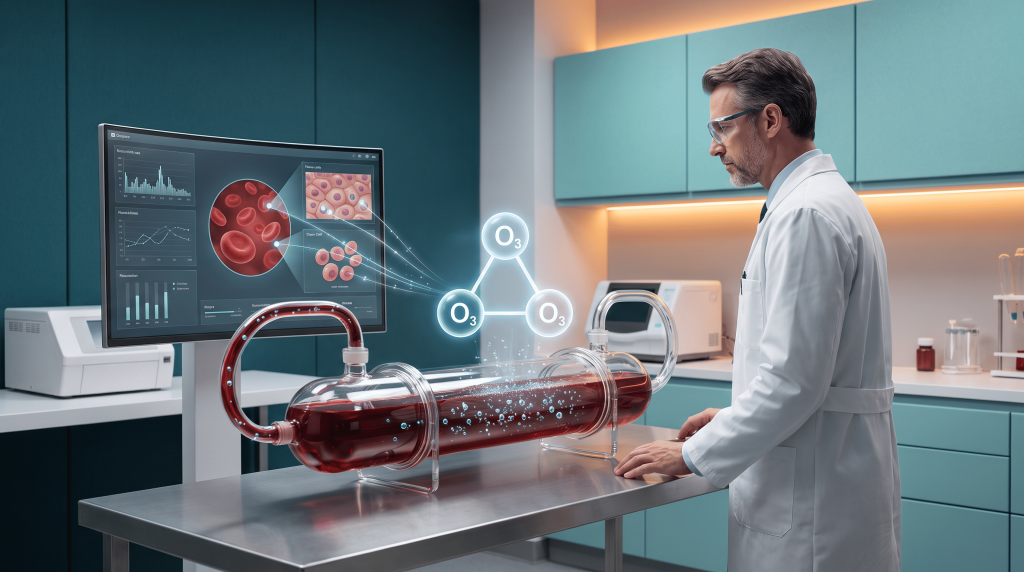
Ozone Therapy
Dr. Ana Moreira, Dr. Adas Darinskas
Presidents




Speakers
 Austria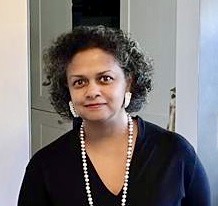
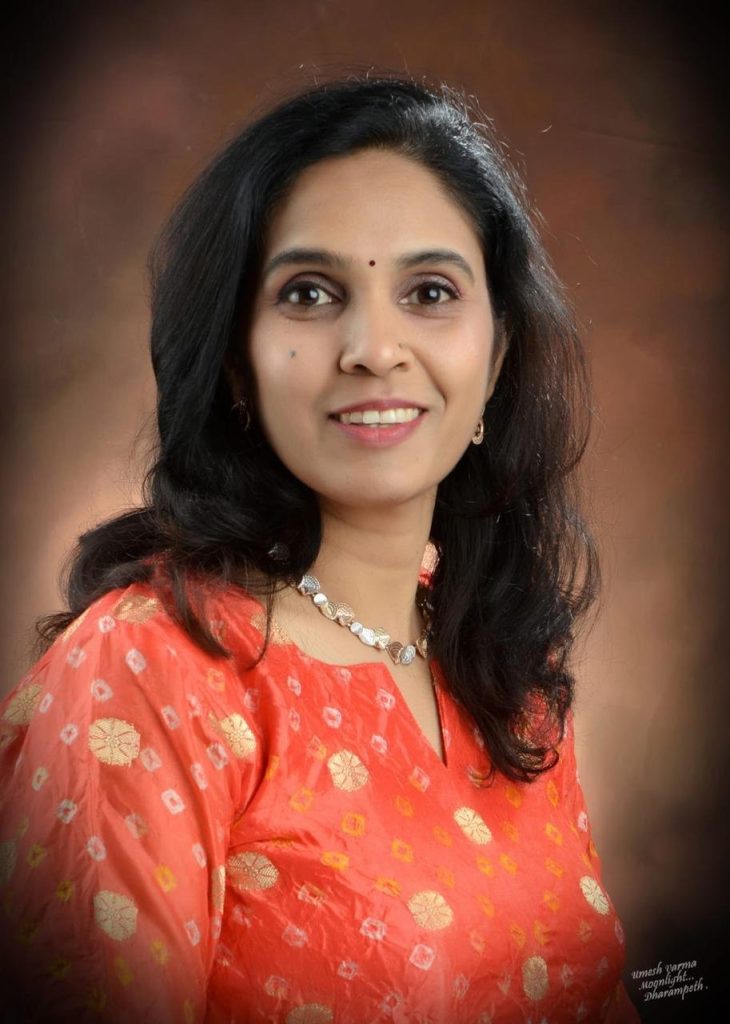
 India
India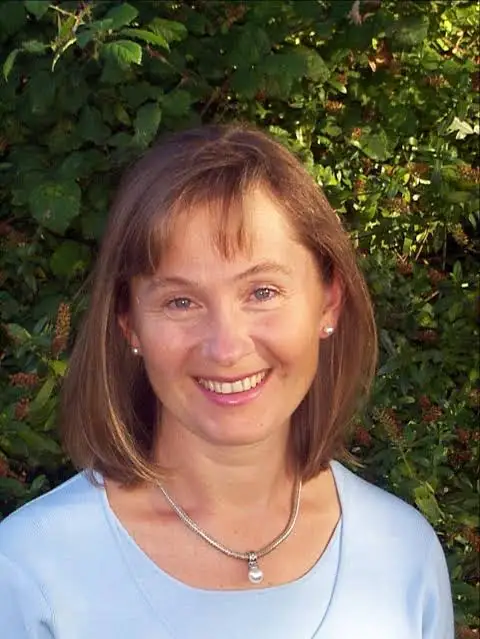
Dr. Natasha Campbell-McBride
 United Kingdom
Creator, Medical Doctor, Author, Organic Regenerative Farmer, Keynote Speaker
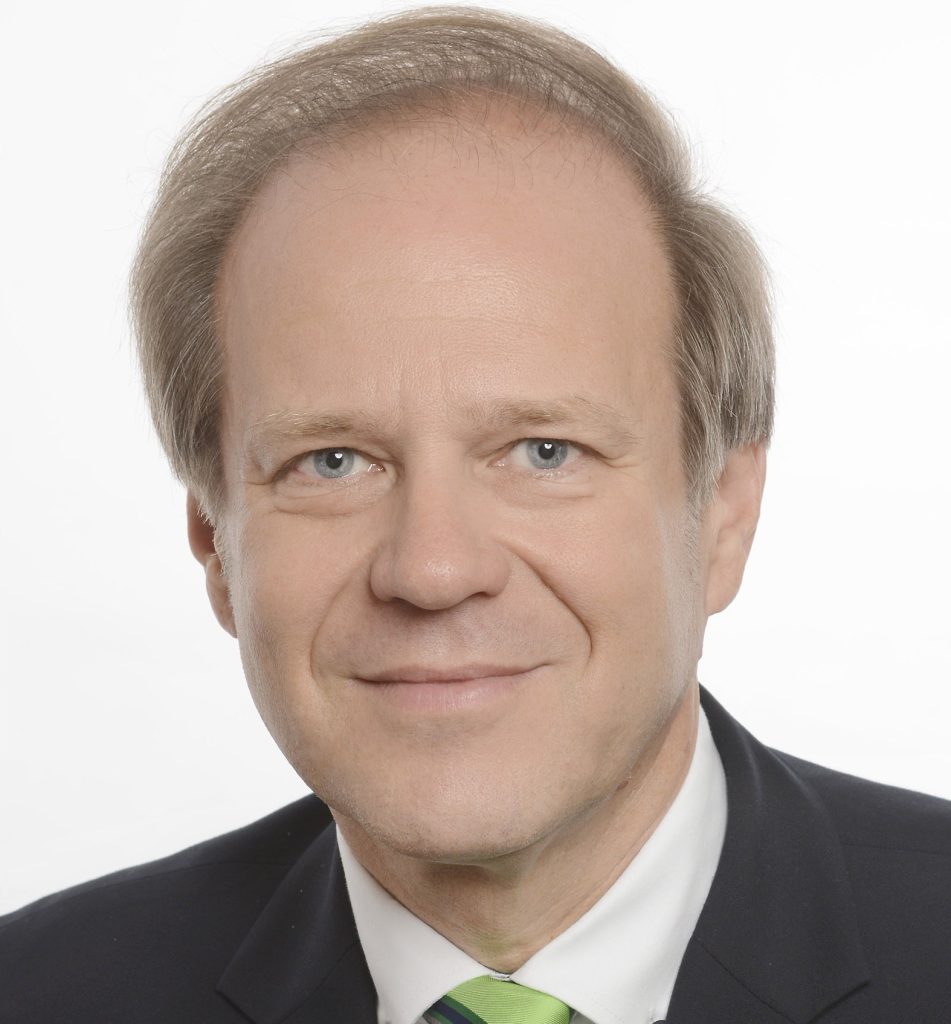
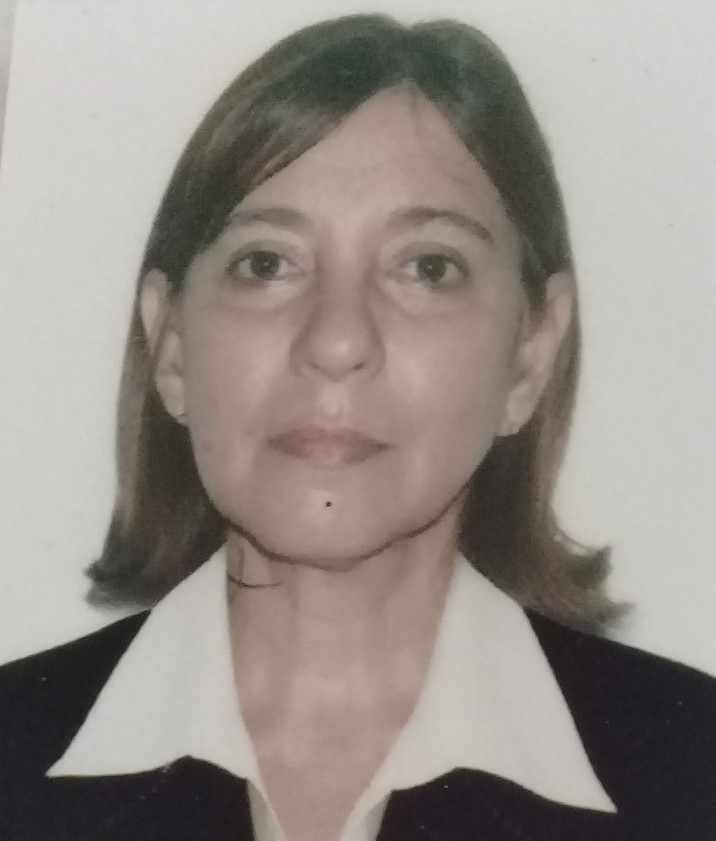
 Cuba
Cuba
 United States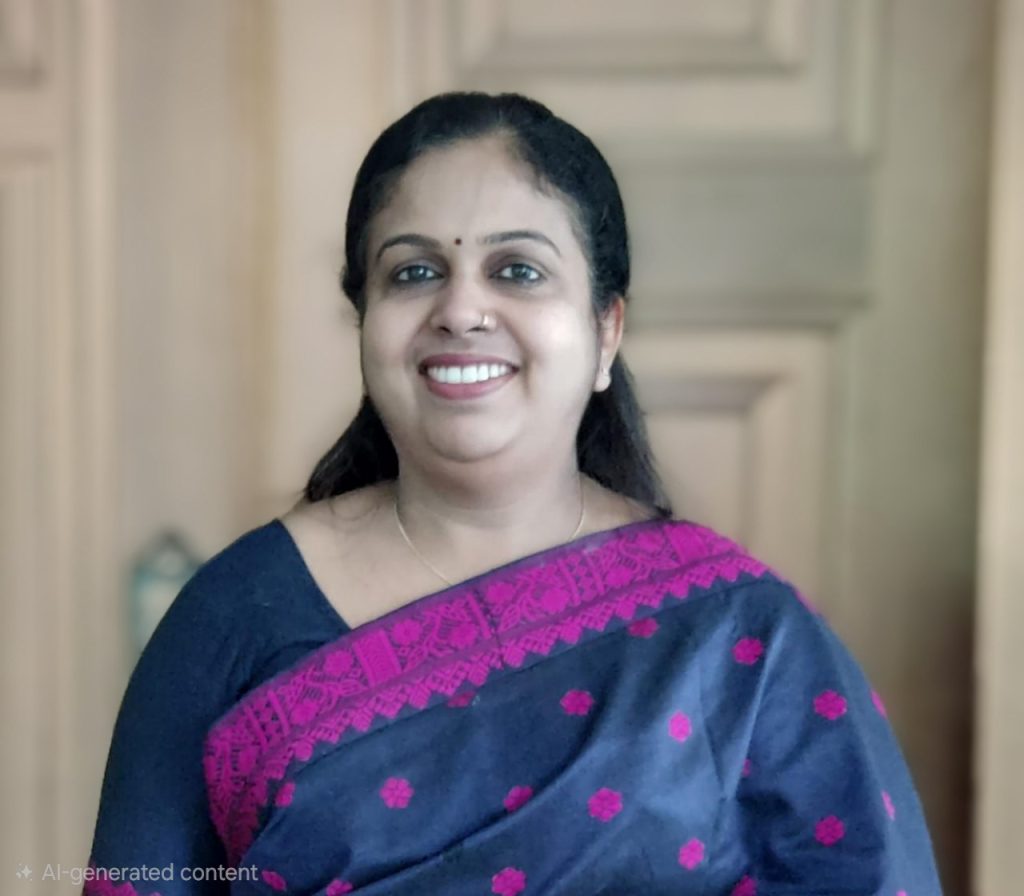
 Russia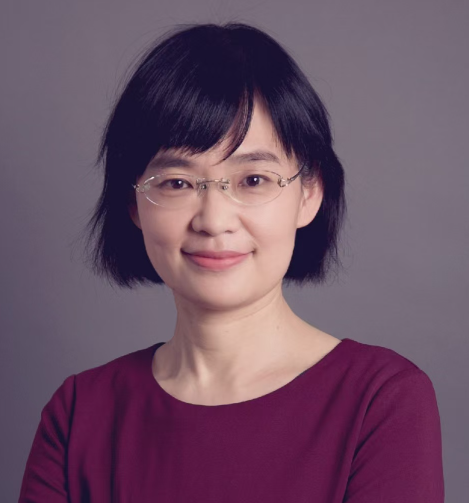
 China
China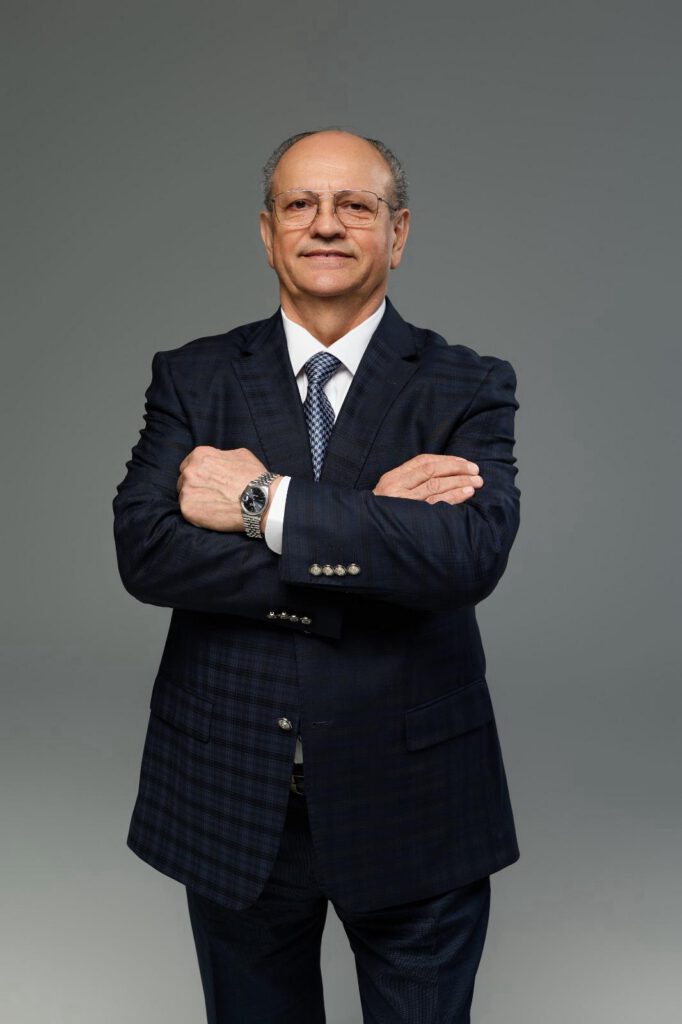
 Moldova
 Brazil
Integrative Tracks
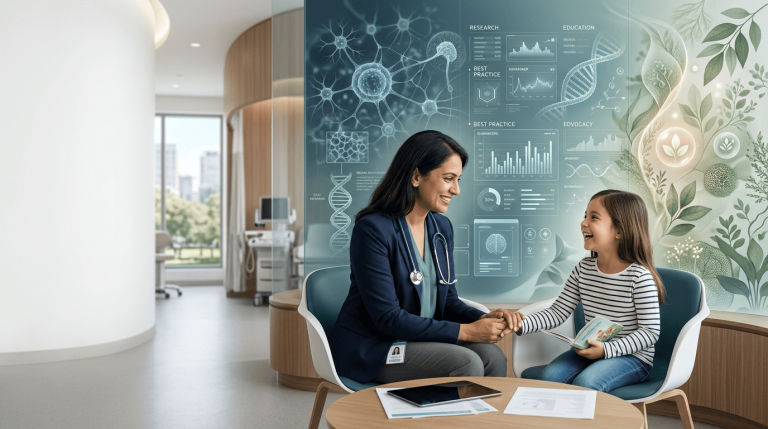
Integrative Pediatrics Track
Safe, family-centered integrative approaches for the health and development of children.
See Details ›
Integrative Oncology Track
Supportive oncology strategies that improve quality of life across the cancer care continuum.
See Details ›
Integrative Apitherapy Track
Evidence-based approaches combining bee products with conventional care for patient wellness.
See Details ›
Integrative Nursing Track
Holistic nursing practices that weave traditional and complementary therapies into clinical care.
See Details ›Special Interest Groups
SIG

Addressing Spiritual Needs and Resources as a Core Competency for Integrative Medicine Practitioners and Researchers
Prof. Dr. Rogier Hoenders, Julia Polter
SIG
Applying the Delphi Technique to Advance Policymaking, Clinical Practice, Research, and Education in Traditional, Complementary, and Integrative Medicine
Assoc. Prof. Jeremy Ng, M. Sc. Anita Franziska Alaze
SIG
Homeopathy and Integrative Oncology: From Theory to Clinical Practice with a Focus on Breast Cancer
Dr. Elio Rossi, Dr. Francesco V. Marino, Elizabeth Thompson, Francesca Andreazzoli, Bindu Pulparampil
SIG
MERGIO Working Meeting: Building a Middle East–European Research Network for Evidence-Based Integrative Oncology
Prof. Gülbeyaz Can
Integrative Health World Health Organization Definitions
Traditional Medicine
Sum total of the knowledge, skill and practices based on the theories, beliefs and experiences indigenous to different cultures, as well as scientific and professional expertise, used for the diagnosis, prevention and treatment of illnesses and to promote health and well-being.
Complementary Medicine
Used interchangeably for “traditional medicine” in some countries, refers to a broad set of health care knowledge, skills and practices that are not typically part of a country’s established traditional or conventional medicine, and may play a supportive role in conjunction with biomedical care.
Integrative Medicine
Integrative medicine is an interdisciplinary and evidence-based approach to health and well-being by using a combination of biomedical and traditional and/or complementary medical knowledge, skills, and practices. It provides holistic care spanning the care continuum and may involve various health care providers and institutions.
Source: Draft WHO TCIM Strategy 2025-2034
Gloria Golf Resort Convention & Event Center
Gloria Golf Resort, located on Türkiye’s Mediterranean coast in the Belek tourism region, is one of the country’s most established luxury resort and event destinations. Set within an expansive natural landscape of pine forests and coastline, the resort offers extensive meeting and convention facilities alongside its renowned golf courses. Part of the Gloria Hotels & Resorts complex, it regularly hosts international corporate events, sports organizations, and high-profile gatherings, combining resort-scale accommodation capacity with versatile indoor and outdoor venues.
Address & Directions
Belek, Turizm Cad No: 74 07506 Serik/Antalya